
Window Sealant Replacement London ( Cloned )2026-06-29T05:24:51+01:00

Get high-level building works done without unnecessary scaffold.

Safe rope access solutions for inspections, repairs, cleaning, painting, bird proofing, leak investigations and planned maintenance across London.

Some building problems do not need a full scaffold design, pavement licence or weeks of disruption. They need the right team, the right access method and a clear plan.

Peak Access helps property managers, contractors and building owners reach awkward areas safely, complete the work properly and provide the photos, reports and documentation needed afterwards.

Fast Access Review

Tell us what needs accessing

Not sure whether you need rope access, a MEWP or scaffold? Send the details and we’ll advise the most practical option.

Photos make quoting faster. Upload the building elevation, close-ups of the defect and any roof or access area photos.
Leak Detection Form

Maximum file size: 20MB


Request a Leak Inspection

Leak Detection Form

Maximum file size: 20MB

Your Content Goes Here

Your Content Goes Here

Your Content Goes Here

Your Content Goes Here

Your Content Goes Here

Your Content Goes Here

Your Content Goes Here

Your Content Goes Here

The Access Problem

The repair may be simple. Reaching it safely is the hard part.

Leaks, blocked gutters, failed sealant, cracked render, loose masonry and bird fouling often become expensive because they are difficult to access — not because they are difficult to fix.

When a defect is high up, hidden behind a parapet, tucked inside a lightwell or sitting above a busy entrance, the next step is not always obvious.

Do you scaffold the whole elevation? Try to arrange a MEWP? Wait until the problem gets worse? Or send someone up there without a proper access plan?

Peak Access gives you a safer, cleaner and more practical route forward. Our rope access team can reach awkward areas, inspect the issue properly, complete targeted works and provide photos or reports afterwards — without turning a small defect into a major project.

Scaffold feels like overkill

A leaking window, blocked outlet or small façade defect should not always need a full scaffold setup. Rope access can often get the right person to the right place with less disruption and a more focused cost.

The problem is in an awkward spot

Lightwells, rear elevations, parapets, rooflines, courtyards and high-level façades are exactly where rope access comes into its own. The access can be planned around the building, not the other way round.

You need answers quickly

If water is getting in, masonry looks loose or an outlet is blocked, waiting weeks for access can make the damage worse. Rope access helps get eyes, photos and practical recommendations on the issue sooner.

You need answers quickly

If water is getting in, masonry looks loose or an outlet is blocked, waiting weeks for access can make the damage worse. Rope access helps get eyes, photos and practical recommendations on the issue sooner.

The site is tight, busy or restricted

London buildings often come with narrow streets, limited parking, public walkways, fragile roofs, plant areas and awkward courtyards. Rope access can be a practical option where towers, MEWPs or scaffold are difficult to use.

You are not sure what access method you need

You do not need to have the answer before contacting us. Send photos, the site postcode and a short description of the issue. We will review the safest and most practical way to reach the area.

High-Level Building Works

One rope access team for inspections, repairs, cleaning and maintenance.

High-level building problems rarely fit neatly into one trade. A leak might involve failed sealant, blocked gutters, cracked render or defective brickwork. A façade issue might need inspection first, then cleaning, repair, painting or bird proofing afterwards.

Peak Access brings the access and the building maintenance together. Our rope access team can reach the area safely, assess what is needed, carry out targeted works and provide photos or job sheets on completion.

That means fewer delays, less disruption and a clearer route from first inspection to finished repair.

Building Maintenance

High-level building maintenance for awkward areas, including loose items, minor repairs, roofline defects, damaged external details and general repair works that are difficult to reach from the ground.

Gutter & Roofline Works

Gutter clearance, outlet checks, downpipe flushing, hopper inspections, moss removal and roofline maintenance to help prevent leaks, staining and water damage.

Leak Investigations

Rope access inspection around windows, roofs, parapets, façades, cladding and sealant joints to help trace water ingress and identify practical repair options.

Sealant & Mastic Repairs

Removal and replacement of failed external sealant around high-level windows, frames, façade joints and weathering details where water ingress is suspected.

Brick, Stone & Render Repairs

Pointing, crack repairs, render patching, brick repairs, stone repairs and localised façade remedial works completed safely in difficult-to-access areas.

Façade & Window Cleaning

High-level façade cleaning, render cleaning, cladding cleaning, glazing cleans and localised stain removal for commercial, residential and managed properties.

Painting & Decorating

External painting, window painting, metalwork coatings, balcony handrail painting, render decoration and high-level redecoration without unnecessary scaffold.

Bird Proofing

Bird spikes, bird netting, pin and wire systems, mesh installations, solar panel protection and guano cleaning for ledges, roofs, façades and plant areas.

Surveys & Inspections

Need to understand the problem before committing to repairs? We provide high-level inspections, façade checks, roof surveys, defect photos and practical recommendations for the next step.

Need Access Advice?

Show us the problem. We’ll help plan the safest way to reach it.

Upload photos of the building, the defect and any roof or access areas. Peak Access will review the site details and advise whether rope access is the right option for inspection, repair, cleaning or maintenance.

The Practical Access Advantage

Get to the defect without turning access into the project.

When the issue is localised, urgent or difficult to reach, rope access can be the difference between a simple inspection and weeks of access planning.

On many London buildings, the work itself is not the biggest challenge. It might be a failed sealant joint, a blocked gutter, a cracked render patch, loose masonry, bird fouling or a leak around a high-level window.

The real problem is getting someone safely to the right place.

Rope access gives you a controlled way to inspect, repair, clean and maintain difficult areas without automatically defaulting to scaffold. It is especially useful when the building is occupied, the site is restricted, the works are targeted or the client needs photos and answers before approving a larger repair.

Instead of waiting for the access problem to slow everything down, Peak Access helps you reach the issue, understand it properly and move the job forward.
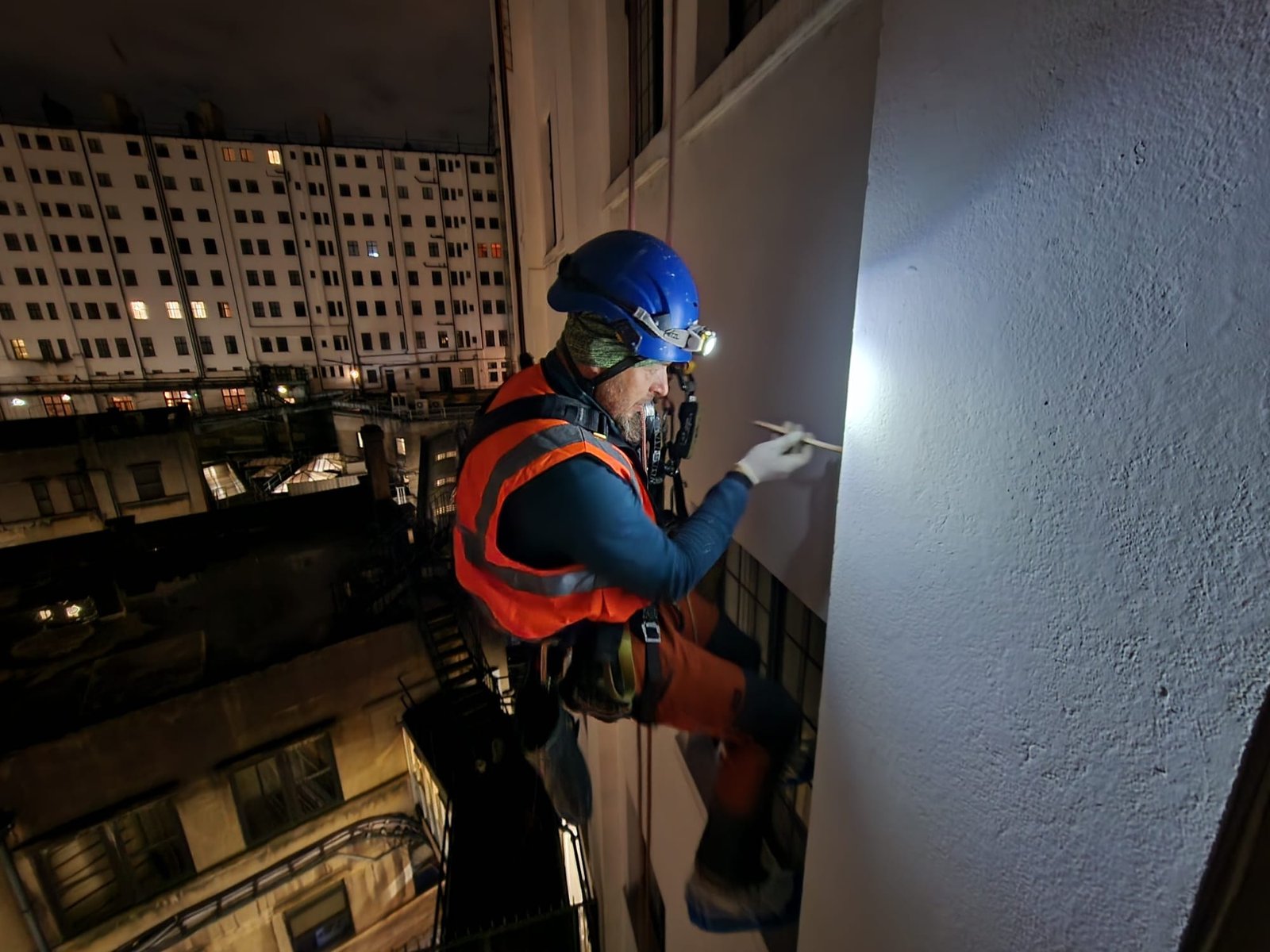
See what is actually happening

Photos from ground level rarely tell the full story. Rope access allows close inspection of the defect so you can make decisions based on clear evidence, not guesswork.

Move faster when the issue is urgent

Leaks, loose materials and blocked outlets can get worse while access is being arranged. Rope access can help get someone to the area sooner for inspection, temporary works or targeted repair.

Avoid scaffold where it is not needed

If the issue is limited to one elevation, one window line or a handful of defects, full scaffold can be excessive. Rope access keeps the access focused around the actual work.

Keep disruption under control

Managed blocks, offices, hotels and estates need works carried out with minimal impact. Rope access can reduce noise, ground equipment, blocked entrances and disruption to building users.

Reach the exact area safely

Rope access is ideal for high-level windows, parapets, rooflines, lightwells, courtyards, façades and awkward elevations where the defect is isolated but difficult to reach.

Better suited to tight London sites

Narrow streets, limited parking, public footpaths, lower roofs, plant areas and restricted courtyards can make scaffold or MEWPs difficult. Rope access can often work around the site constraints.

Inspect, repair and document

Where the scope is clear, the team can access the area, complete targeted works and provide before-and-after photos or job sheets so there is a clear record of what was done.

Choose the right method before committing

Not every job should start with scaffold. A rope access review can help confirm whether the issue needs inspection, repair, a larger access plan or a different method entirely.

Before You Commit To Scaffold

Send the photos and let us review the access first.

Upload photos of the defect, the full elevation and any roof or access areas. Peak Access will review the information and advise whether rope access is a suitable option for inspection, repair, cleaning or maintenance..

ACCESS DECISION

Rope access, MEWP or scaffold: choosing the right route

Scaffold, MEWPs and rope access all have their place. The right method depends on duration, height, safe setup, the number of areas involved and whether the work is inspection, repair or a larger programme.

ROPE ACCESS

SCAFFOLD

Best for

Targeted inspections, repairs, cleaning, painting, gutter works, bird proofing and awkward high-level areas.

Full elevation works, long-duration projects, heavy materials and multiple trades.

Setup

Focused setup around the work area with less equipment on site.

Larger setup with more equipment, planning, installation and removal time.

Disruption

Often lower impact on residents, tenants, staff, entrances and public areas.

Can affect pavements, windows, parking, entrances, views and building use.

Cost focus

Efficient when the work is limited to specific areas or defects.

Better suited when large areas need repeated access over time.

Speed

Can often get inspection photos and targeted works moving sooner.

Usually needs more lead time before works can begin.

Start With Photos

A few clear photos can save a lot of guesswork.

Before booking scaffold, arranging access or planning a full inspection, send photos of the leak area and external window line so the likely issue can be reviewed first.

You do not need to know whether the problem is failed sealant, a cill detail, a frame joint or something in the surrounding façade. That is what the review is for.

Send over photos of the internal damage, the outside of the affected windows and any roof, balcony, courtyard or street-level access areas nearby. From there, Peak Access can look at the likely cause, advise whether window sealant replacement is the right next step, and consider the safest access method for the building.

This helps avoid wasted visits, unclear scopes and rushed repairs that only deal with the visible stain rather than the source of the water.

Show the Internal Damage

Photos of stains, damp patches, bubbling paint or damaged reveals help show exactly where water is appearing inside the building.

Show the Window Line

External photos of the window, frame edges, cills and joints help show where the sealant may have failed outside.

Show the Access Area

Roof, balcony, courtyard, pavement or lightwell photos help confirm the safest way to reach the affected windows.

Tell Us When It Happens

Let us know if the leak appears during heavy rain, wind-driven rain, storms or only from one side of the building.

Inspection scope

What we check before calling it a repair

The aim is to avoid repairing the easiest-looking detail while missing the real route of water entry. Before works are confirmed, the surrounding details, access constraints and repair limitations should be reviewed so the recommendation is realistic.

  • Frame perimeter condition
  • Old sealant removal needs
  • Joint depth and backing
  • Cill and corner joints
  • Adhesion to frame
  • Substrate condition
  • Internal staining location
  • Previous patch repairs
  • Weather-facing elevations
  • Safe rope path
  • Roof access options
  • Exclusion zones
  • Waste removal route
  • Photo records needed
  • Follow-on repair areas

BUILT FOR MANAGED PROPERTIES

What you get back after the visit

After the review, inspection or completed works, the client should have something useful to keep on file. That may be photo evidence, visible defect notes, repair recommendations or a clear reason why further investigation is needed before remedial works are agreed.

Managed Residential Blocks

Useful for flats, courtyards, communal elevations and repeat resident reports.

Commercial Offices

Practical where leaks affect occupied workspaces or public-facing entrances.

Hotels and hospitality

Helps reduce disruption around guests, rooms and daily operations.

Managing agents and portfolios

Useful where several buildings need consistent advice and records.

OUTPUTS

What you get back after the visit

After the review, inspection or completed works, the client should have something useful to keep on file. That may be photo evidence, visible defect notes, repair recommendations or a clear reason why further investigation is needed before remedial works are agreed.

Photos of the affected area

Access method recommendation

Notes on visible defects

Repair recommendations

Before and after photos where works are completed

Advice on whether further investigation is needed

Quote for follow-on remedial works where suitable

RAMS and completion notes where required

After review

Three routes after the first review

The best result of an enquiry is not always an immediate repair. Sometimes the right next step is a local fix, sometimes it is a closer inspection, and sometimes the honest answer is that the wider building detail needs investigating first.

Replace the failed joint

If the defect is clear and access is suitable, the works can move towards a defined repair or replacement scope.

Inspect before replacement

If the symptoms point to a likely source but do not prove it, a closer inspection can reduce guesswork before pricing works.

Escalate to leak investigation

If the stain and external detail do not line up, it is better to widen the investigation than sell the wrong repair.

Process

How the enquiry turns into a clear plan

The process is deliberately simple: send the details, review the access, inspect the relevant area and confirm the useful next step. The page should make that feel easy for a busy property manager.

Send photos and site details

Include the defect, wider elevation, access area and internal damage if relevant.

Access Review

Rope access, MEWP, roof access, scaffold or alternative methods are considered.

Inspect or complete works

The affected detail is checked and repaired where suitable.

Photos and findings

The client receives useful records and any recommended follow-on action.

Process

How it works

Send the issue details, the access requirements are reviewed, the affected window line is inspected, and clear findings or repair recommendations are provided.

Can one isolated area be repaired, or does the whole elevation need doing?2026-06-02T04:11:13+01:00

That depends on the condition of the surrounding detail. If the problem is genuinely localised, a targeted repair may be enough. If similar failure is visible across a run of joints or windows, a wider replacement or planned maintenance approach may be better value than returning repeatedly for small patches.

What makes Peak Access different from a normal contractor?2026-06-02T04:09:03+01:00

The difference is the access-led approach. The team is used to working on difficult elevations where the main challenge is reaching the defect safely and efficiently. The enquiry is reviewed around the building, the access route, the visible defect and the likely next step, not just a generic repair description.

What if the weather changes on the day?2026-06-02T04:08:10+01:00

External leak and sealant works are weather-sensitive. Heavy rain, high winds, poor visibility or unsafe roof conditions can affect whether rope access is suitable on the day. If conditions are not safe or would compromise the repair, the work should be rearranged rather than forced through badly.

Will I receive photos after the works?2026-06-02T04:07:08+01:00

Where the work is completed, photos can be provided before, during and after the repair where practical. These records are useful for property files, tenant updates and follow-on maintenance decisions. If the issue needs more investigation, photos can also help explain why a different repair route is being recommended.

Do you work on commercial and managed properties?2026-06-02T04:06:17+01:00

Yes. The service is aimed at property managers, managing agents and commercial building teams. The work can be planned around access restrictions, tenant disruption, public areas, RAMS requirements and photo records. This is particularly useful where the person booking the work needs to explain the decision to residents, owners, insurers or a wider property team.

What happens if the leak is not coming from the obvious defect?2026-06-02T04:04:58+01:00

That is exactly why the review matters. Water can track behind cladding, render, masonry, frames or roofline details before it appears inside. If the visible defect does not line up with the internal staining, the recommendation may be to inspect the wider area first rather than carry out a repair that may not solve the issue.

Can I send photos before booking a site visit?2026-06-02T04:03:10+01:00

Yes. Photos are the quickest way to start. Send a close-up of the defect, a wider photo of the elevation, the internal staining if there is any, and the roof or ground area that may affect access. That usually gives enough context to advise whether the next step is replace the failed joint, inspection or further investigation.

Can window sealant replacement be done without scaffold?2026-06-02T03:56:35+01:00

Often, yes, but it depends on the building. Rope access is usually considered where the defect is localised, the roof or structure provides suitable anchorage, the rope path can be protected and the area below can be controlled. If scaffold or a MEWP is safer or more practical, that should be confirmed before the work is priced.

FASTER ENQUIRY TRIAGE

Send photos before arranging access.

A few clear photos can help confirm whether the next step should be targeted mastic repair, window leak detection or a wider façade investigation.

Go to Top