
🟠 Introduction
When you’re responsible for building maintenance in London, access is everything. Whether you’re dealing with glazing repairs, gutter cleaning, or repainting a facade — the method of access you choose will affect cost, disruption, and safety.
So how do cradles, ladders, and rope access compare? And when should you use each?
Here’s a straight-talking guide to help you choose the right tool for the job.
🛠 What Are We Comparing?
Ladders – The old-school method. Simple, but limited.
Cradles – Mechanical suspended platforms installed on rooftops (BMUs or temporary units).
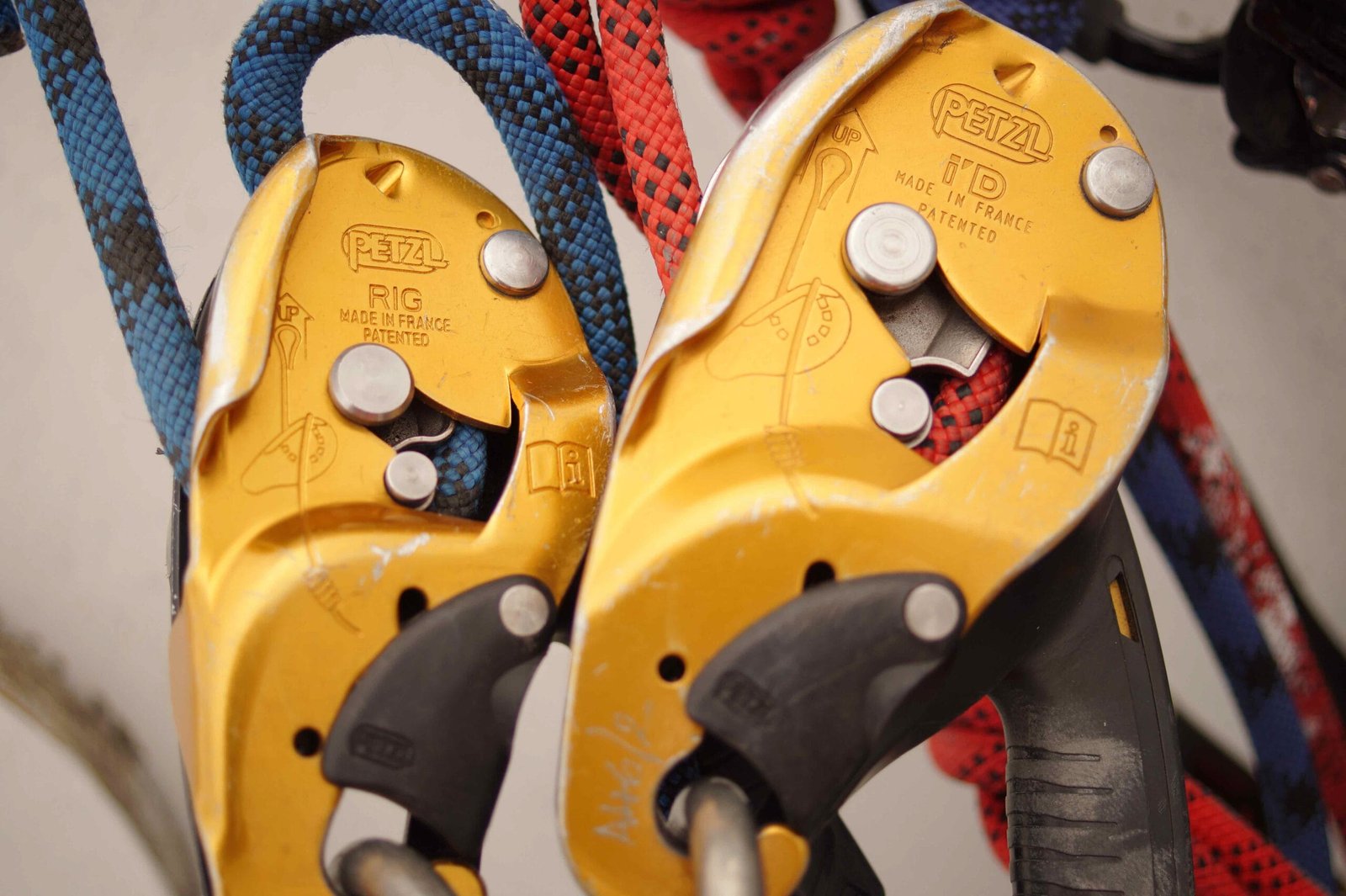
Rope Access – Dual-rope descent and ascent system, operated by IRATA-certified technicians.
🔍 Quick Comparison Table
| Feature | Ladders | Cradles | Rope Access |
|---|---|---|---|
| Height Access | Limited (~2–3 storeys) | Unlimited (if cradle exists) | Unlimited (if riggable) |
| Setup Time | Fast | Slow (if temporary) | Fast |
| Cost | Low (short-term) | High (if hiring equipment) | Medium (low for short jobs) |
| Flexibility | Poor | Limited to cradle reach | Excellent |
| Public Disruption | Medium | High (visible & noisy) | Low |
| Safety | Low (high fall risk) | Medium (machine dependent) | High (IRATA standards) |
🪜 When to Use Ladders
✅ Best for:
-
Low-level maintenance (under 3 metres)
-
Rear garden facades, bay windows, or small touch-ups
-
Very short-duration tasks (under 30 minutes)
❌ Avoid if:
-
You’re working near drop edges
-
The surface is uneven or fragile
-
You need to carry tools or materials up with you
Ladders = fast and cheap, but limited and risky.
🛠 When to Use Cradles
✅ Best for:
-
Buildings with existing cradle systems (BMUs)
-
Long-term projects (e.g. full facade painting)
-
Jobs requiring platform space for tools/equipment
❌ Avoid if:
-
The building doesn’t have a cradle
-
You’re doing reactive or minor works
-
You need access to multiple elevations in a short timeframe
Cradles are slow to mobilise and expensive to install, but sometimes necessary for platform-based work.
🧗♂️ When to Use Rope Access
✅ Best for:
-
High-level repairs, inspections, or short-term maintenance
-
Tight or complex access (lightwells, rear elevations, voids)
-
Jobs that need speed, flexibility, and minimal disruption
❌ Avoid if:
-
You need to store lots of materials at height
-
There are no rigging points and installation isn’t possible
Rope access is the most versatile and cost-effective solution for most short- to medium-term works on London buildings.
🧠 What We Recommend
At Peak Access, we:
-
Use rope access for 90% of our projects
-
Advise on MEWPs or temporary cradles where necessary
-
Never recommend ladders for unsafe jobs — even short ones
-
Provide RAMS and images to show why a method is safest
You don’t need to choose — we’ll assess your site and advise based on safety, speed, and value.
✅ Final Thoughts
Every job is different. But if your goal is to minimise cost, disruption, and risk — rope access often wins.
The right access method protects your property, your people, and your budget.
📞 Not sure which access method is right for your building?
We’ll inspect the site (or review photos) and provide a clear recommendation — with pricing for all access options.